What Skin Cancer Looks Like. Signs to Look Out For

- Common Types of Skin Cancer
- What Skin Cancer Looks Like? Early Warning Signs
- Importance of Regular Check-Ups
- FAQs
Skin cancer is a serious health concern that affects millions of individuals worldwide. As one of the most common forms of cancer, being able to identify its signs and symptoms early can significantly improve treatment outcomes. This article aims to provide a comprehensive overview of what skin cancer looks like through its various types, early warning signs, and the importance of regular check-ups. Understanding these aspects not only empowers individuals to take charge of their skin health but also encourages proactive measures in monitoring their skin.
Common Types of Skin Cancer
Basal Cell Carcinoma
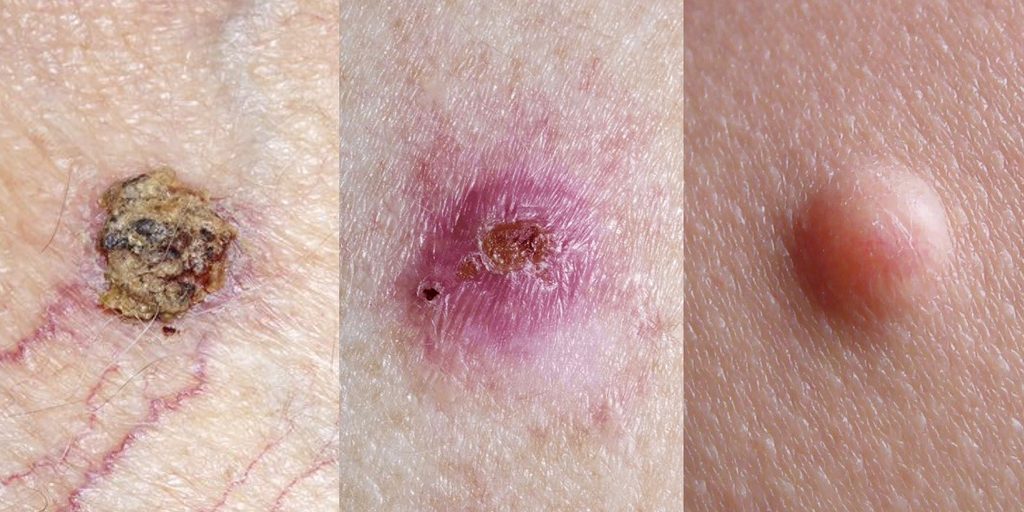
Basal Cell Carcinoma (BCC) is the most prevalent form of skin cancer, primarily resulting from long-term exposure to ultraviolet (UV) radiation from the sun or tanning beds. BCC typically manifests as a small, shiny bump on the skin, often resembling a pearl or a waxy lesion. It can also appear as a flat, scaly patch that may bleed or crust over. Although BCC is slow-growing and rarely metastasizes, it can invade surrounding tissues if left untreated, leading to severe disfigurement.
In terms of appearance, BCC may vary in color from flesh-toned to pink or red, and it often presents on sun-exposed areas like the face, ears, neck, and scalp. Regular skin examinations are crucial for early detection, as BCC can sometimes be mistaken for a benign growth.
Squamous Cell Carcinoma
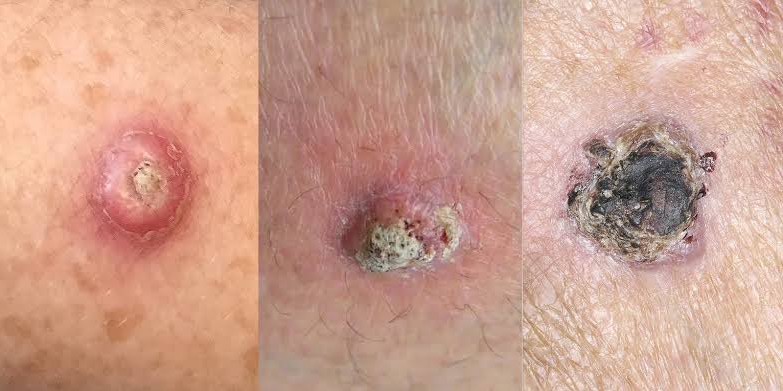
Squamous Cell Carcinoma (SCC) is the second most common skin cancer, arising from squamous cells in the outer layer of the skin. Similar to BCC, SCC is often linked to cumulative UV exposure and can develop on sun-damaged skin. It typically appears as a firm red nodule, a rough, scaly patch, or a sore that does not heal. SCC can also present as a flat lesion with a scaly, crusted surface.
While SCC is generally localised, it has a higher potential for metastasis than BCC. It may appear on any part of the body but is most frequently found on the face, ears, neck, and backs of the hands. Recognising the signs of SCC early is vital, as prompt treatment can lead to successful outcomes.
Melanoma
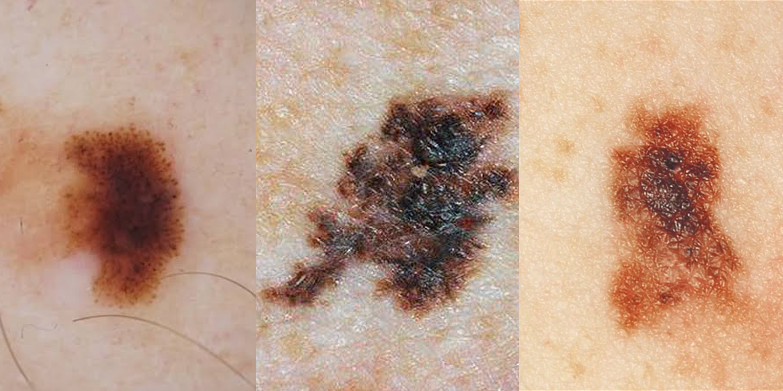
Melanoma is the most aggressive and deadly form of skin cancer, originating in the melanocytes, the pigment-producing cells of the skin. Unlike BCC and SCC, melanoma can develop in moles or appear as new, unusual growths. It often exhibits a variety of colors, including shades of brown, black, tan, red, white, or blue. The irregularity in shape and bordered edges is a significant identifier, with most melanomas presenting asymmetrically.
Due to its ability to spread rapidly to other parts of the body, early detection of melanoma is critical. Classic warning signs include changes in existing moles, new pigmented lesions, or the appearance of spots that itch, bleed, or become inflamed. Understanding the ABCDE rule—Asymmetry, Border, Color, Diameter, and Evolving—can help individuals assess their risk of melanoma.
Health Direct – Skin cancer and melanoma
What Skin Cancer Looks Like? Early Warning Signs
Changes in Existing Moles
One of the most significant early warning signs of skin cancer is the alteration of existing moles. Individuals should monitor their moles for changes in size, shape, or color. If a mole becomes larger than 6mm, it may warrant further examination. Furthermore, changes in texture, becoming raised or bumpy, can also indicate potential malignancy.
Individuals should be particularly cautious if they notice any bleeding, itching, or crusting around a mole. Any of these symptoms can be indicative of more serious skin conditions, including skin cancer. Keeping a record of how existing moles change over time can help in early detection.
New Growths or Lesions
New growths or lesions on the skin should also be closely examined for signs of skin cancer. These can appear in various forms, including red patches, open sores, or unusual bumps. Any new change that does not heal within a few weeks should be evaluated by a dermatologist, as this could signify a malignant growth.
It is crucial to differentiate between benign skin changes and those that may be cancerous. Regular skin checks can help individuals become familiar with their unique skin patterns, making it easier to notice new lesions or growths that may need attention.
Asymmetry and Irregular Borders
Asymmetrical lesions are a hallmark feature of many skin cancers, particularly melanoma. If one half of a mole does not match the other half in shape, color, or size, it may be a cause for concern. This asymmetry is often accompanied by irregular borders that are not smooth or even.
In contrast, benign moles typically have smooth, even borders and symmetrical shapes. Monitoring for these characteristics can be essential in recognising potential skin cancer at an early stage, allowing for timely medical intervention.
Colour Variations
Skin cancer lesions often display uneven color distribution, featuring multiple shades ranging from brown and black to red or white. This variation can indicate growth and malignancy. Look for moles or lesions that exhibit a mix of colors or that have developed new colors, particularly if the color distribution is not uniform.
In benign moles, color is usually consistent and may range from flesh-tone to brown. If any mole begins to exhibit multiple colors or a change in coloration, a thorough examination by a healthcare professional is recommended.
Importance of Regular Check-Ups
Early Detection Benefits
Regular skin check-ups play a vital role in the early detection of skin cancer. Early diagnosis can significantly improve treatment outcomes, reducing the likelihood of metastasis and increasing the chances of successful treatment. During a professional examination, a dermatologist can assess existing moles and identify any suspicious growths that may require further testing.
Moreover, early detection allows for less invasive treatments. For instance, a small basal cell carcinoma may be treated with topical therapies or simple excision, while advanced stages of melanoma may require more aggressive treatment, including chemotherapy or radiation. Regular check-ups are not only beneficial for individuals with known risk factors but are also essential for everyone, regardless of their skin type or history.
How Often to Get Checked
The frequency of skin examinations depends on individual risk factors, including personal and family history of skin cancer, skin type, and sun exposure. Generally, individuals are advised to perform monthly self-examinations and schedule a comprehensive skin check with a dermatologist at least once a year. Those with a higher risk may require more frequent visits, potentially every three to six months.
Individuals should consult with a healthcare provider to determine an appropriate schedule for skin examinations based on their unique risk factors. Being vigilant and proactive about skin health can make a substantial difference in early detection and treatment success.
Self-Examination Techniques
Self-examination is an essential part of monitoring skin health. To perform a thorough self-check, individuals should examine their entire body, including hard-to-see areas like the scalp, back, and between the toes. Using a full-length mirror and a hand-held mirror can facilitate this process. It’s helpful to document any changes in moles or new growths over time.
Individuals should familiarise themselves with the characteristics of their moles to better notice any changes. The ABCDE rule—specifically focusing on Asymmetry, Border irregularity, Colour variations, Diameter larger than 6mm, and Evolving changes—serves as a practical guideline for self-examination. If any of these signs are present, it’s crucial to seek medical attention promptly.
Recognising the signs of skin cancer is essential for early detection and successful treatment. With various types of skin cancers—such as basal cell carcinoma, squamous cell carcinoma, and melanoma—each presenting unique characteristics, awareness and vigilance are key. Regular check-ups and self-examinations empower individuals to take charge of their skin health, enabling early intervention when necessary.
Understanding what skin cancer looks like and being proactive about monitoring changes can significantly impact outcomes. Individuals are encouraged to consult dermatologists for comprehensive skin checks and to adopt a regular self-examination routine to safeguard their skin health.
FAQs
What are the most common types of skin cancer?
The most common types of skin cancer include basal cell carcinoma, squamous cell carcinoma, and melanoma. Each type differs in appearance and aggressiveness.
How can I tell if a mole is cancerous?
Look for changes in the mole’s shape, color, size, or texture. Moles that are asymmetrical, have irregular borders, show multiple colors, or evolve over time should be evaluated by a healthcare professional.
How often should I see a dermatologist for skin checks?
Most individuals should have a professional skin check at least once a year, but those with higher risk factors may need to visit every three to six months.
What should I do if I find a suspicious mole?
If you find a suspicious mole or notice changes in existing moles, schedule an appointment with a dermatologist as soon as possible for evaluation.

