- Understanding the Skin Biopsy Procedure
- Recovery During Skin Biopsy Aftercare
- Skin Biopsy Aftercare
- Signs of Infection During Skin Biopsy Aftercare
- Understanding Skin Biopsy Results
- FAQs
A skin biopsy is a medical procedure in which a small sample of skin is removed for examination, often to diagnose conditions such as skin cancer, infections or other skin disorders. Skin biopsy aftercare is essential for supporting proper healing, reducing the risk of infection and helping you understand what to expect during recovery. This guide explains how to care for your biopsy wound, how long healing may take, which signs of infection to watch for and when to expect your biopsy results, helping you feel more confident throughout the recovery process.
Understanding the Skin Biopsy Procedure
What is a Skin Biopsy?
A skin biopsy is a medical procedure in which a small sample of skin tissue is removed and sent to a laboratory for examination. It is commonly performed to investigate suspicious moles, unusual skin growths, persistent rashes and other changes that may indicate a skin condition, including skin cancer.
There are several types of skin biopsies, including shave, punch and excisional biopsies. A shave biopsy removes a thin layer of skin, while a punch biopsy collects a small, deeper sample. An excisional biopsy removes a larger section of skin, which may include the entire suspicious lesion.
The type of biopsy performed depends on the appearance of the affected area, the suspected condition and your healthcare provider’s assessment. Most skin biopsies are performed using local anaesthetic, which numbs the area during the procedure.
Although the procedure itself is usually straightforward, knowing what to expect afterwards can help you prepare for recovery. Following appropriate skin biopsy aftercare instructions helps protect the wound, reduce the risk of infection and support healing.
Why is a Skin Biopsy Performed?
A skin biopsy may be recommended when a healthcare provider needs more information about a particular skin change. This may include a mole that has changed in size, shape or colour, a new growth, a persistent sore or a skin lesion that looks unusual during an examination.
Biopsies can help diagnose different conditions, including basal cell carcinoma, squamous cell carcinoma, melanoma, inflammatory skin conditions and certain infections. The laboratory examines the tissue sample under a microscope to identify abnormal cells or other changes.
The results help determine whether further investigation or treatment is necessary. Depending on the findings, you may need no additional treatment, a follow-up appointment or a procedure to remove any remaining abnormal tissue.
Understanding why your biopsy was performed can help you know what questions to ask when receiving your results. Regardless of the reason for the procedure, following your clinician’s instructions for skin biopsy aftercare is an important part of recovery.
Recovery During Skin Biopsy Aftercare
Typical Healing Timeline
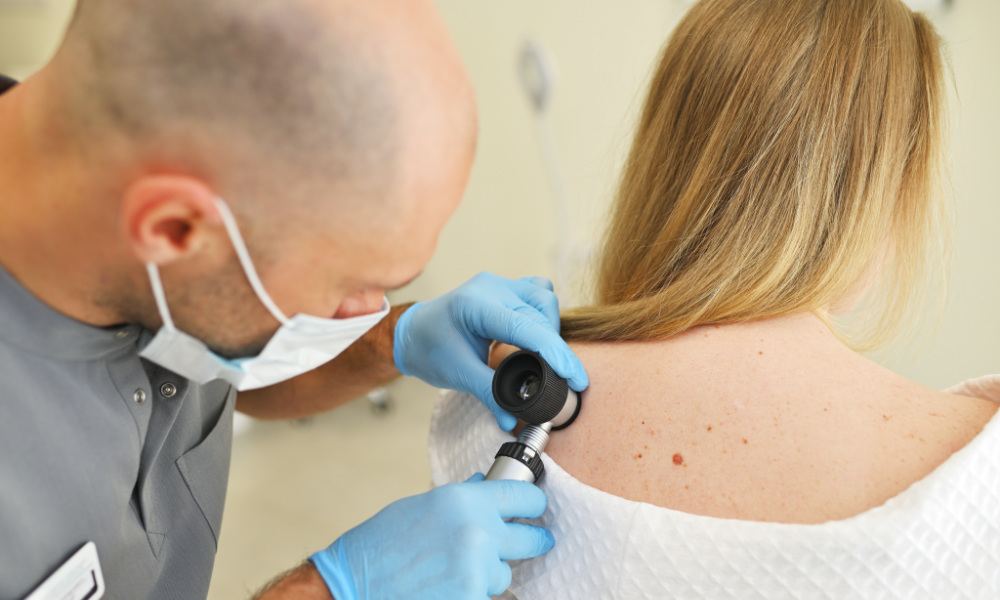
Healing time after a skin biopsy depends on the type of biopsy, the size and depth of the wound, its location and your individual health. Many small biopsy wounds begin to heal within one to two weeks, although deeper wounds or those closed with stitches may require longer to recover.
During the first 24 to 48 hours, the biopsy site may feel tender, and a small amount of bleeding or clear fluid may occur. Mild redness around the wound can also be part of normal healing. Follow your healthcare provider’s instructions about when to remove or replace the original dressing.
Over the following days, the wound should gradually begin to close. You may notice a small scab forming, and mild tenderness can persist while the skin repairs itself. Avoid picking at scabs or pulling at the wound, as this can delay healing and increase the risk of scarring.
If stitches have been used, your healthcare provider will advise when they should be removed, if they are not dissolvable. The timing varies depending on the location of the biopsy and the type of closure.
Although the surface of the wound may heal within a couple of weeks, the area can remain pink or discoloured for longer. Scars may continue to change in appearance over several months.
Following appropriate skin biopsy aftercare instructions and attending any recommended follow-up appointments can help you monitor your recovery. If the wound becomes increasingly painful, swollen or red rather than gradually improving, contact your healthcare provider.
The Australia College of Dermatologists – Biopsy of the Skin
Factors That Influence Healing
Several factors can affect how quickly and effectively your skin heals after a biopsy. These may include your age, overall health, hydration levels, and whether you have any underlying conditions such as diabetes or vascular disease. Additionally, the location of the biopsy can influence healing due to varying skin thickness and blood supply in different body areas.
Adhering to proper aftercare protocols can significantly enhance the healing process. Maintaining a healthy diet, staying hydrated, and avoiding smoking can also contribute to more efficient recovery.
Skin Biopsy Aftercare
Initial Post-Procedure Care
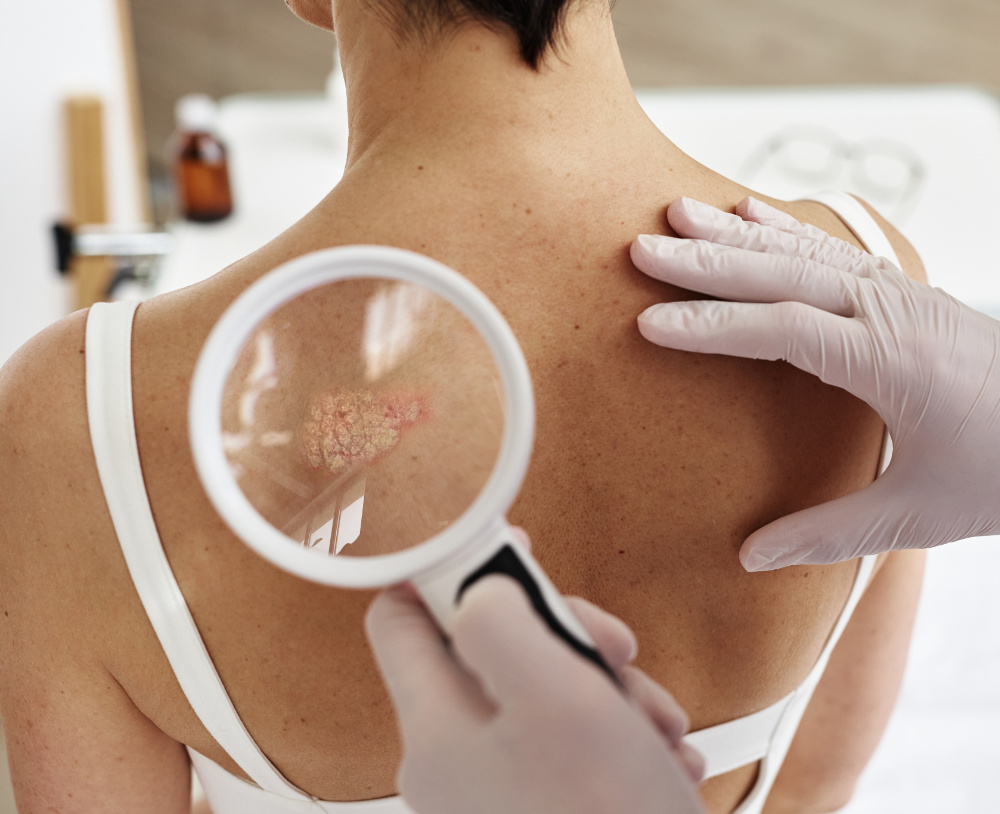
Immediately after the biopsy, your healthcare provider will give you specific instructions on how to care for the biopsy site. It’s common for the area to be bandaged to protect it from dirt and bacteria. In the first 24 hours, keep the area dry and refrain from strenuous activities that could stress the wound.
After the first day, you might be advised to gently clean the site with mild soap and water and to apply a thin layer of antibiotic ointment as instructed. Avoid applying makeup or harsh chemicals on the site until it has fully healed to minimise irritation.
Proper Biopsy Wound Care
Proper wound care is crucial for preventing infection and promoting healing. Keep the biopsy site clean and dry, and change the dressing as advised by your doctor. If you notice any signs of bleeding or increased pain, contact your healthcare provider for guidance.
Avoid submerging the area in water (such as in baths or swimming pools) until the wound has healed sufficiently. If you have a large or deep biopsy, your doctor may recommend avoiding certain activities or wearing protective clothing to prevent irritation.
Recommended Daily Care Routine
In addition to keeping the wound clean and dry, follow these daily care steps:
- Gently wash the area with mild soap and water.
- Apply an antibiotic ointment if recommended.
- Cover the area with a sterile bandage if advised.
- Avoid picking at scabs or scratching the area.
- Monitor the site daily for any changes or signs of infection.
Signs of Infection During Skin Biopsy Aftercare
Common Symptoms of Infection
While infections post-biopsy are relatively uncommon, being aware of the signs can help ensure timely treatment. Symptoms of an infection may include increased redness or swelling around the biopsy site, warmth, pus or drainage from the wound, and increased pain or tenderness. Fever may also accompany an infection, signaling that medical attention is necessary.
If you notice any of these symptoms, it’s crucial to contact your healthcare provider promptly. Early intervention can prevent complications and ensure that the wound heals correctly.
When to Seek Medical Attention
Seek medical attention if you experience persistent or severe symptoms such as excessive bleeding, a fever over 101°F (38.3°C), or significant changes in the appearance of the biopsy site. These may indicate a more serious issue that requires professional evaluation and treatment.
Additionally, if you have underlying health conditions that may impact healing, such as diabetes or autoimmune disorders, it’s wise to maintain open communication with your healthcare provider during the recovery process.
Understanding Skin Biopsy Results
How and When Will You Receive Results?
After the biopsy is performed, the tissue sample is sent to a laboratory for examination by a pathologist. The time frame for receiving results can vary but is typically within a week to two weeks. Your healthcare provider will schedule a follow-up appointment to discuss the results with you, ensuring that any necessary next steps are clearly communicated.
It’s important to remember that waiting for biopsy results can be an anxious time. If you have concerns about the timeline or the process, don’t hesitate to reach out to your healthcare provider for updates or reassurance.
Interpreting Your Biopsy Results
When you receive your biopsy results, they will indicate whether the tissue is normal or if there are any abnormalities present. If your results show benign findings, you may not require further treatment. However, if the results reveal cancer or another serious condition, your healthcare provider will discuss treatment options and next steps.
Understanding your biopsy results is vital. Do not hesitate to ask your healthcare provider to explain any medical terminology or concepts that you find confusing. Knowledge about your health situation empowers you to make informed decisions regarding your treatment and care moving forward.
Key Takeaways for Skin Biopsy Aftercare
To summarise, recovery after a skin biopsy is generally straightforward but requires attentive aftercare to ensure proper healing. Key aspects to focus on include:
- Adhering to post-procedure care instructions.
- Monitoring for signs of infection.
- Understanding your biopsy results and their implications for your health.
Understanding the recovery process after a skin biopsy is essential for ensuring a smooth healing journey. By following the aftercare guidelines, remaining vigilant for signs of infection, and maintaining open communication with your healthcare provider, you can navigate this period effectively and confidently.
FAQs
How long does it take for a skin biopsy to heal?
Most skin biopsies heal within 7 to 14 days, but complete healing may take longer depending on individual health factors.
What should I avoid after a skin biopsy?
Avoid submerging the biopsy site in water, picking at scabs, and exposing the area to harsh chemicals or makeup until it has healed.
How will I know if my biopsy results are abnormal?
Your healthcare provider will discuss your results with you, explaining any abnormal findings and the next steps for treatment if necessary.
Can I return to normal activities after a skin biopsy?
While many people can resume normal activities quickly, it’s advisable to avoid strenuous activities or anything that could irritate the biopsy site for at least a few days.
What should I do if I experience pain after a skin biopsy?
Mild pain is common, but if you experience severe pain or discomfort that doesn’t improve, contact your healthcare provider for advice.


